How to Prepare for an Emergency Dentist Appointment in a Panic Situation
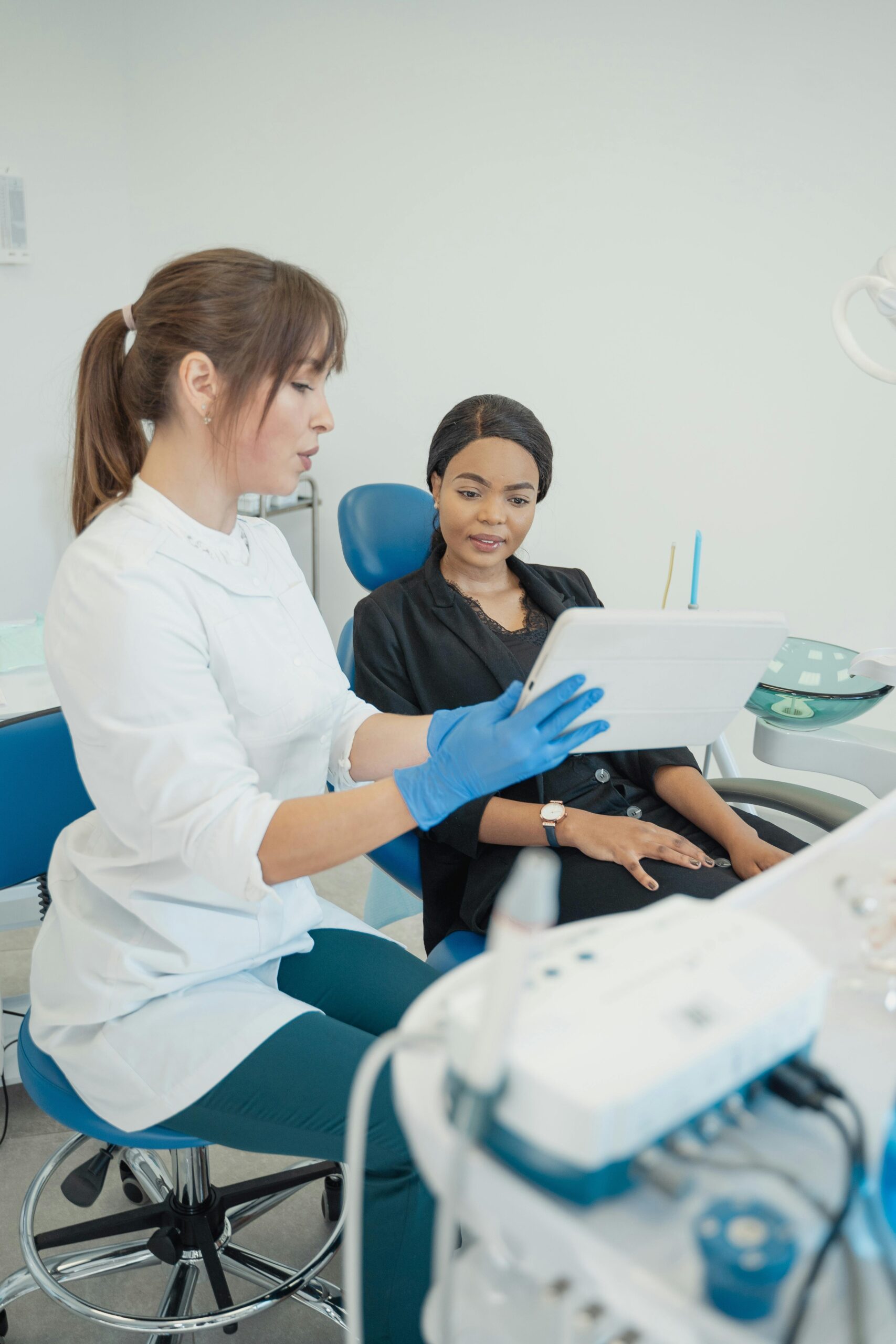
A dental emergency has a way of shrinking your world to one sharp point. Maybe you woke up with half your face throbbing, maybe you bit into something hard and heard the unmistakable crack of a tooth, or maybe a child in your care is crying with a mouth full of blood and fear. In that moment, thinking clearly can feel almost impossible.
That is exactly why preparation matters.
An emergency dentist appointment is not just another visit moved up on the calendar. It is a focused response to pain, injury, swelling, bleeding, or infection that cannot wait for a routine opening. The better prepared you are, the faster the dental team can assess what is happening, the safer you will feel, and the more likely you are to avoid delays that make a bad situation worse.
Panic is normal. It is also manageable. The goal is not to become perfectly calm. The goal is to do the next useful thing, then the next one after that.
The first question: is this actually a dental emergency?
People tend to swing in one of two directions. Some minimize serious symptoms and try to tough it out for days. Others assume every toothache means an immediate crisis. Real life sits in the middle.
A true dental emergency usually involves severe pain, uncontrolled bleeding, visible trauma, swelling that is spreading, signs of infection, or a tooth that has been knocked out, cracked deeply, or broken in a way that exposes the inner tooth. Trouble swallowing, facial swelling near the eye, fever with dental pain, or any swelling that affects breathing raises the stakes considerably. Those cases may require urgent medical evaluation, not just dental care.
A mild sensitivity that comes and goes with cold water is different. So is a lost filling with no pain, though even that should be addressed promptly before it turns into something more serious. Experience matters here. I have seen people delay care for what they described as a “small gum bump,” only to learn they had an active abscess. I have also seen people panic over a temporary crown that slipped off, even though the area was stable and could be managed safely for a day or two.
When in doubt, call an emergency dentist and describe the symptoms plainly. Good front desk teams and clinical staff are trained to ask the right questions. They can usually tell the difference between something that needs immediate intervention and something that can wait until the next available opening.
What panic does to judgment
Pain makes time feel distorted. Anxiety narrows attention. People forget basic details, drive without what they need, or take too much over the counter medication in a rush to feel better. That is one of the biggest risks in these situations.
The most common mistake is trying to solve the problem before speaking to a professional. Someone with facial swelling may lie down and hope it passes. Someone with a broken tooth may chew on the other side and continue the day until the fracture worsens. A parent may scrub a knocked-out tooth under tap water, not realizing they are damaging the tissue that gives reimplantation its best chance.
The second common mistake is underestimating logistics. Emergency appointments often move quickly. The dentist may need X-rays, consent forms, payment information, and a short but accurate medical history. If you arrive frantic, alone, dehydrated, and unsure what you took for pain, the whole visit becomes harder than it needs to be.
Preparation creates a little order inside the chaos.
Before you leave home, slow the scene down
You do not need a perfect plan. You need about ten focused minutes.
Start by sitting down, if you can, and taking a few slower breaths. That sounds basic, but it matters. Hyperventilating can amplify dizziness and make pain feel worse. If you are helping someone else, especially a child or older adult, your tone will shape theirs. Short, direct reassurance helps more than a flood of words.
Then gather the information the emergency dentist is most likely to need. If the problem started suddenly, note the time. If trauma caused it, remember what happened. If there is swelling, be ready to say whether it is getting larger. If there was bleeding, estimate whether it stopped with pressure or is still active. If you already took medication, know the name, dose, and when you took it. That detail is more important than many people realize, especially when the dental team is deciding what to recommend next.
If a tooth or piece of a tooth came out, bring it with you. Handle it carefully. For a whole tooth that has been knocked out, touching the root can reduce the odds of successful reimplantation. If it is visibly dirty, a brief gentle rinse is reasonable, but do not scrub it, scrape it, or wrap it dry in tissue. Time matters here, and so does how the tooth is stored.
The practical checklist that helps most
Use this only as a short reset when your thoughts are racing:
- Call the emergency dentist first and describe the problem clearly.
- Bring identification, insurance details if applicable, and a list of medications.
- Note what pain medicine you took, how much, and when.
- Save any broken tooth fragments or a knocked-out tooth in a suitable container.
- Arrange a driver if pain, swelling, anxiety, or possible sedation could affect travel.
That is enough to prevent many avoidable problems.
Managing the injury before the appointment
What you do in the hour before your appointment can reduce pain and protect the area, but every emergency is a little different.
For a severe toothache, rinse gently with warm water to clear debris. Flossing carefully around the area can help if food is trapped, but this is not the moment for force. Do not place aspirin directly on the gums or tooth. People still do this, and it can irritate or burn the tissue. A cold pack on the outside of the cheek may help if there is swelling.
For a chipped or broken tooth, rinse your mouth and avoid chewing on that side. If a sharp edge is cutting your tongue or cheek, dental wax can help if you have it. Sugar-free gum can work as a temporary barrier in a pinch, though it is not ideal. The main point is protection, not a home repair project.
For a knocked-out permanent tooth, speed matters more than almost anything else in dentistry. If the tooth can be placed back in the socket immediately and correctly, outcomes are often better, but many people are too shaken to do that, and sometimes it is not appropriate. The safer practical option is to keep the tooth moist and get to an emergency dentist quickly. Milk is commonly used because it helps preserve the surface cells better than plain water. Tooth preservation kits exist, but most people do not have one in the kitchen drawer during a crisis.
For bleeding after trauma or an extraction-related issue, firm pressure with clean gauze often helps. If gauze is not available, a clean cloth can do. Some bleeding that looks dramatic is still manageable. The mouth mixes blood with saliva, which makes the volume seem larger than it is. Ongoing bleeding that does not slow with pressure needs prompt evaluation.
For swelling, especially if it is hot, tender, and associated with throbbing pain, think infection until proven otherwise. Dental infections can spread. They are not all the same, and some are far more urgent than others. Rapid swelling, fever, malaise, or trouble opening the mouth are signs not to ignore.
What to say when you call the emergency dentist
A concise phone description can move you to the right place on the schedule. Reception teams hear “My tooth hurts” all day. Helpful details get action.
Say where the pain is, when it started, whether there is swelling, whether you can see a crack or hole, whether there was an injury, and whether you have fever, foul taste, drainage, or bleeding. If the face is swelling, say whether it is changing visibly over hours. If a tooth is out, say it immediately. If the patient is a child, say the age and whether it is a baby tooth or a permanent tooth, if you know.
You do not need dental vocabulary. “Upper left molar cracked while eating, pain is a seven out of ten, cheek is starting to swell, took ibuprofen one hour ago” is far more useful than trying to sound technical.
If you are very anxious, tell them that too. Dental offices that handle emergencies regularly know that panic is part of the clinical picture. They may offer instructions tailored to your situation, tell you not to eat in case treatment is likely, or suggest bringing someone with you.
What to bring besides the obvious
Most people remember a wallet and phone. Fewer remember the details that actually smooth an emergency visit.
Bring a list of your current medications, especially blood thinners, diabetes medications, or anything for blood pressure. Bring allergy information. If you have had recent dental work, know which tooth was treated and when. If another dentist started antibiotics recently, bring the bottle or a photo of the label. If you have a complicated medical history, even a quick note in your phone can save time.
If you wear a dental appliance, such as a night guard, retainer, or partial denture, bring it if it may be related to the problem. If the emergency involves trauma from sports, bring details about when it happened and whether there was a blow to the head. Dizziness, vomiting, confusion, or loss of consciousness shifts the situation toward urgent medical evaluation beyond the dental issue.
Parents should bring a comfort item for a child if possible. A blanket, toy, or familiar water bottle can lower the emotional temperature of the whole encounter. Adults benefit from the same principle, just in different forms. A charger, a bottle of water, and a sweatshirt can make a waiting room feel much less harsh when adrenaline drops.
Pain relief, food, and the mistakes people make
The hours before an emergency dentist appointment tend to invite improvisation. That is where trouble starts.
One problem is stacking pain relievers without keeping track. Many over the counter products contain overlapping ingredients. Taking more is not always safer or more effective. If you have liver disease, kidney disease, ulcers, are pregnant, or take prescription medications, the risk picture changes. If you are unsure, it is better to call the dental office or pharmacist than guess in pain.
Another mistake is eating a heavy meal just before a likely procedure. Sometimes that is fine. Sometimes the dentist may need to perform treatment that goes more smoothly if the patient has eaten lightly or not recently, depending on the circumstances and the type of sedation, if any. That is why calling first matters. They may advise you to avoid food and drink for a period, or they may tell you the opposite if you are prone to feeling faint.
Alcohol to “take the edge off” is a poor idea. So is taking a sedative that was prescribed for an old issue unless the office specifically approves it. Both can complicate treatment and informed consent.
If the patient is a child
Children make dental emergencies more emotionally charged, even when the injury is manageable. They read adult faces quickly. If you look alarmed, they often escalate. If you stay steady, they borrow that steadiness.
A child with a bitten lip, a bumped baby tooth, or blood from the mouth may look worse than they are because oral tissues bleed so easily. At the same time, dental trauma in children should not be brushed off. A displaced baby tooth can injure the developing permanent tooth beneath it. A knocked-out permanent tooth needs urgent attention. The challenge is taking it seriously without turning the room into a panic chamber.
Use simple language. “You hurt your tooth. We are going to the dentist now so they can help.” Avoid promises like “It won’t hurt,” because children remember broken promises more than almost anything. Honest reassurance works better.
Bring an extra shirt if there has been bleeding, and expect that the child may not cooperate perfectly. That does not mean the appointment failed. Experienced emergency dentists work with frightened children every day. The best thing a parent can do is provide accurate information and remain calm enough to let the clinical team lead.
If swelling or infection is part of the picture
Dental pain from infection often feels different from a https://maps.app.goo.gl/hLj8XpqUY7HkuuEL7 simple cavity flare. It can throb, wake you from sleep, radiate toward the ear or jaw, and come with a foul taste if pus is draining. The gum may look puffy, or there may be a visible bump. Sometimes the tooth itself does not look dramatic at all.
These cases deserve respect. Infections in the mouth do not always stay in the mouth. The emergency dentist will want to know how fast symptoms developed, whether you have a fever, whether the swelling is localized or spreading, and whether swallowing or breathing feels different. Those last details can move the situation from urgent dental treatment to immediate medical care.
Do not put heat directly on a swollen face in an attempt to “draw it out.” It can increase discomfort and, in some cases, aggravate swelling. A cool compress is usually the safer comfort measure. And do not start leftover antibiotics from a previous issue unless a clinician instructs you to. Wrong antibiotic, wrong dose, wrong timing, all of that can muddy the picture.
What happens once you arrive
Many people fear that an emergency dentist appointment automatically means a major procedure on the spot. Sometimes that happens. Just as often, the first goal is diagnosis and stabilization.
You may have X-rays, a focused exam, and a discussion of what the dentist sees. If the pain is from deep decay or infection, treatment could involve draining an abscess, prescribing medication when appropriate, adjusting the bite, starting root canal therapy, or extracting the tooth if it cannot be saved and that is the best option. If trauma is involved, the dentist may smooth sharp edges, bond a fragment, splint a loose tooth, or refer you to a specialist depending on the injury.
A well-run emergency visit has two jobs. The first is to get you out of danger or severe distress. The second is to create a sensible next step. Not every problem is fully solved in one chair session, especially if swelling is significant or specialist care is needed. That is not failure. It is good judgment.
Questions worth asking during the visit
When pain is high, people forget what to ask until they are already in the car going home. Keep it simple.
- What is causing the emergency, and what did you rule out?
- What should I expect tonight, especially with pain, numbness, or bleeding?
- What are the warning signs that mean I should call back or seek urgent care?
- Is this a temporary fix, or was the problem fully treated today?
- When do I need follow-up, and what should I avoid until then?
Those answers matter more than memorizing technical details.
The emotional side of emergency dental care
Panic around dental emergencies is not irrational. Mouth pain is intimate, relentless, and hard to ignore. People who have managed surgeries, childbirth, broken bones, even intense work stress, can come apart over a tooth. I have seen stoic adults tremble because they once had a bad extraction twenty years earlier and never forgot the sound or helplessness of it.
A professional approach does not mean suppressing that fear. It means recognizing it early enough to keep it from running the whole event. Tell the office if you are afraid. Tell the dentist if you need a brief pause before they begin. Ask them to explain what they are doing in plain terms. Most clinicians would much rather work with an honest anxious patient than someone who insists they are fine and then bolts upright in the chair midway through treatment.
If you have someone reliable, bring them. A second person can remember instructions you miss and provide practical support afterward. That matters even if you think you are “not the type” who needs help. Pain changes people. So does adrenaline.
Aftercare starts before you leave the office
The end of the appointment is when many preventable setbacks occur. Patients nod along to instructions, then get home and realize they remember almost nothing.
Before you walk out, make sure you know whether you should eat, rinse, brush near the area, take medication on a schedule, or avoid smoking, straws, heavy exercise, or certain foods. Clarify how long numbness may last. If you had treatment on a lower molar, cheek biting while numb is common, especially in children. If a temporary restoration was placed, ask what it can tolerate. If you were given antibiotics, know when the first dose should be taken and what side effects deserve a call.
If the office recommends follow-up and you know your calendar is difficult, schedule it before leaving. Small delays after emergency stabilization often turn into large delays, and then the same tooth lands you back in urgent care again.
The best preparation is not dramatic
You do not need a home dental trauma kit worthy of a paramedic. You do not need to memorize every scenario. Practical readiness is enough.
Keep your dentist’s number easy to find. Know your medications. Have basic pain relievers at home that you can safely take, assuming your physician has not advised against them. Store a little gauze, a cold pack, and a small container that could hold a tooth fragment or appliance if needed. If you have children in sports, learn the basics of knocked-out tooth care before you need them.
Most important, respect symptoms early. Dental emergencies often start as smaller problems that had a quiet window for intervention. A filling that felt odd, a tooth that zapped with cold for weeks, a wisdom tooth area that kept trapping food, a crown that loosened and was ignored. Once pain turns urgent, your choices narrow.
When a true emergency hits, your job is not to master dentistry in a hallway mirror. Your job is to stabilize the moment, call the emergency dentist, and arrive prepared enough for the professionals to do their work well. That alone can turn a frightening day into a manageable one.
Smyle Dental Newhall
23754 Newhall Ave
Santa Clarita, CA 91321, United States
+16612559200
FAQ About Emergency Dentist
Will the ER do anything for dental pain?
An emergency department can assess serious complications and provide temporary care, but it usually cannot provide definitive dental treatment such as a filling or root canal. A dentist needs to identify and treat the cause. Call 911 or seek emergency medical care for difficulty breathing or swallowing, major facial injury, or uncontrolled bleeding.
What qualifies as a dental emergency?
A knocked-out permanent tooth, severe or persistent dental pain, swelling, and a broken tooth with pain need prompt professional assessment. Contact a dentist immediately for guidance on how urgently to be seen. Rapidly spreading swelling or swelling that affects breathing or swallowing requires emergency medical care.
What to do if I have a dental emergency in the middle of the night?
Call your dentist's office for after-hours instructions. Smyle Dental Newhall can be reached at (661) 255-9200; confirm when treatment is available. Do not wait for the office to open if you have trouble breathing or swallowing, uncontrolled bleeding, or a major facial injury. For a toothache while arranging dental care, gently rinse with warm water and avoid putting aspirin directly on the tooth or gums.